LEG 12 · Speed & Altitude Legends
The Fastest Planes Ever Flown: From the X-1 to the X-15
The speed record for a piloted airplane has stood since 1967. Here is who holds it, who came closest, and why the fastest aircraft are all so old.
Updated · 7 min read
The short answer
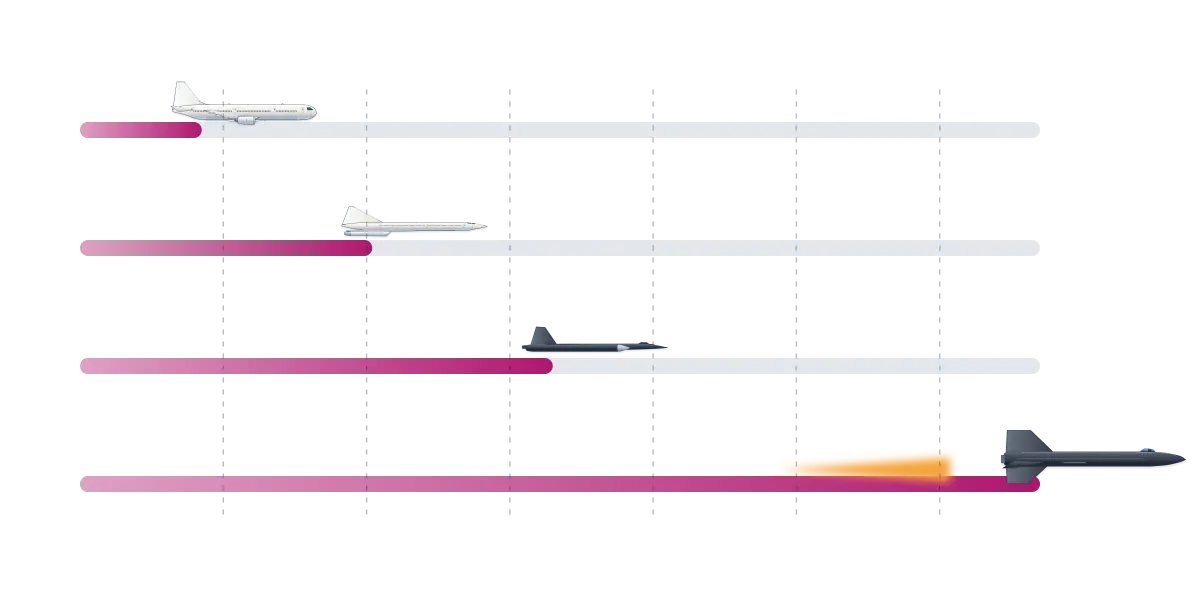
The fastest piloted airplane ever is the rocket-powered North American X-15, which reached Mach 6.7, about 4,520 mph, on October 3, 1967. The fastest jet with a crew is the Lockheed SR-71 Blackbird, at 2,193 mph in 1976. NASA's uncrewed X-43A scramjet reached Mach 9.6 in 2004, and Concorde remains the fastest airliner at Mach 2.
Ask for the fastest plane in the world and you get a surprising answer: the record was set before most of today’s pilots were born. A rocket plane dropped from a bomber in 1967 is still the fastest airplane anyone has ever flown, and the fastest jet retired in 1990. Here is the full list, with the categories that matter, and the reasons speed stopped climbing.
What is the fastest manned plane ever flown?
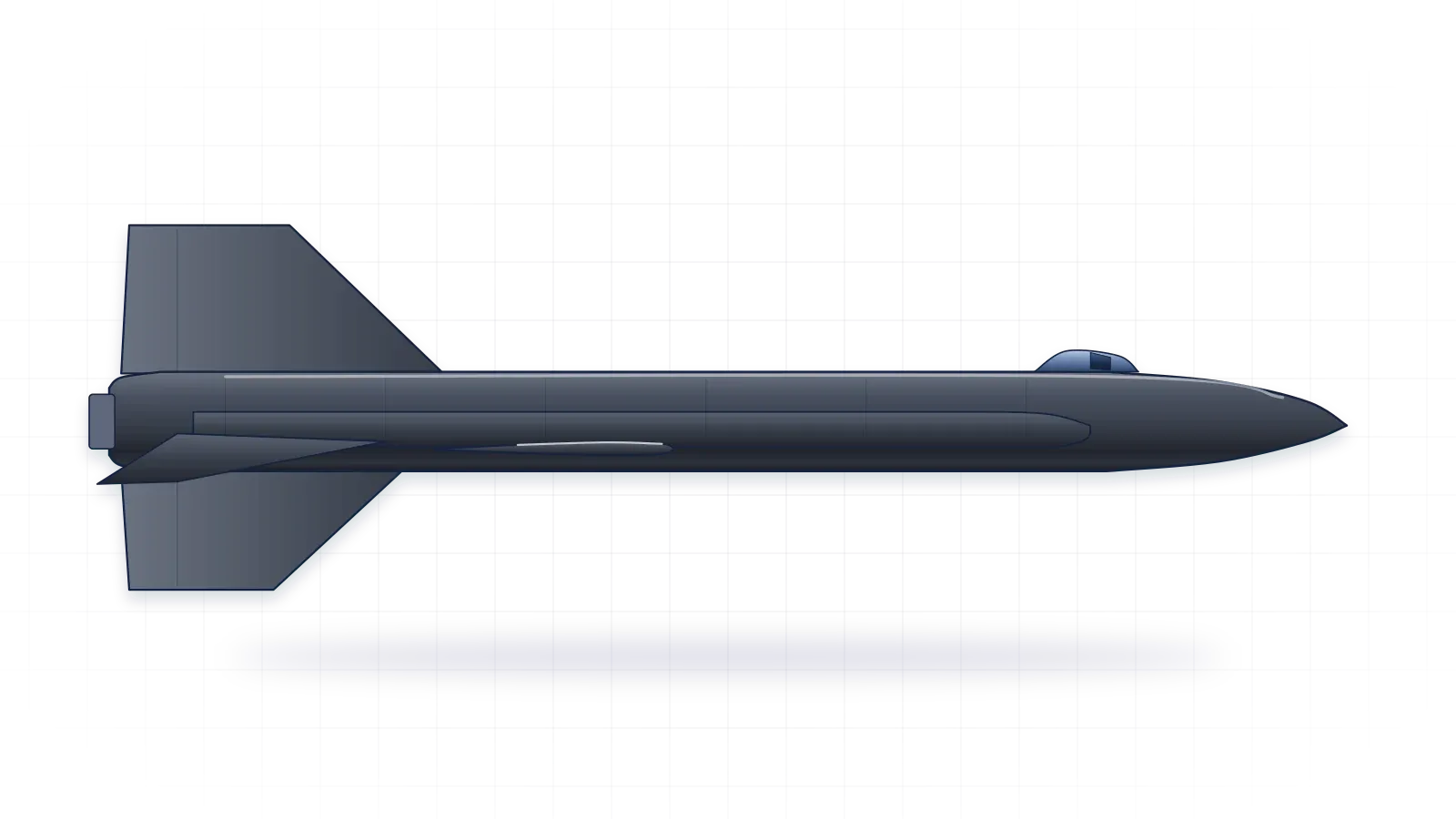
The North American X-15. On October 3, 1967, US Air Force pilot Pete Knight flew it to 4,520 mph, which is Mach 6.7, nearly seven times the speed of sound. More than half a century later, the Smithsonian still describes that flight as the world speed record for a winged, powered aircraft. NASA, which ran the program, lists the X-15’s marks as unofficial records, so the two sources describe the same flight a little differently.
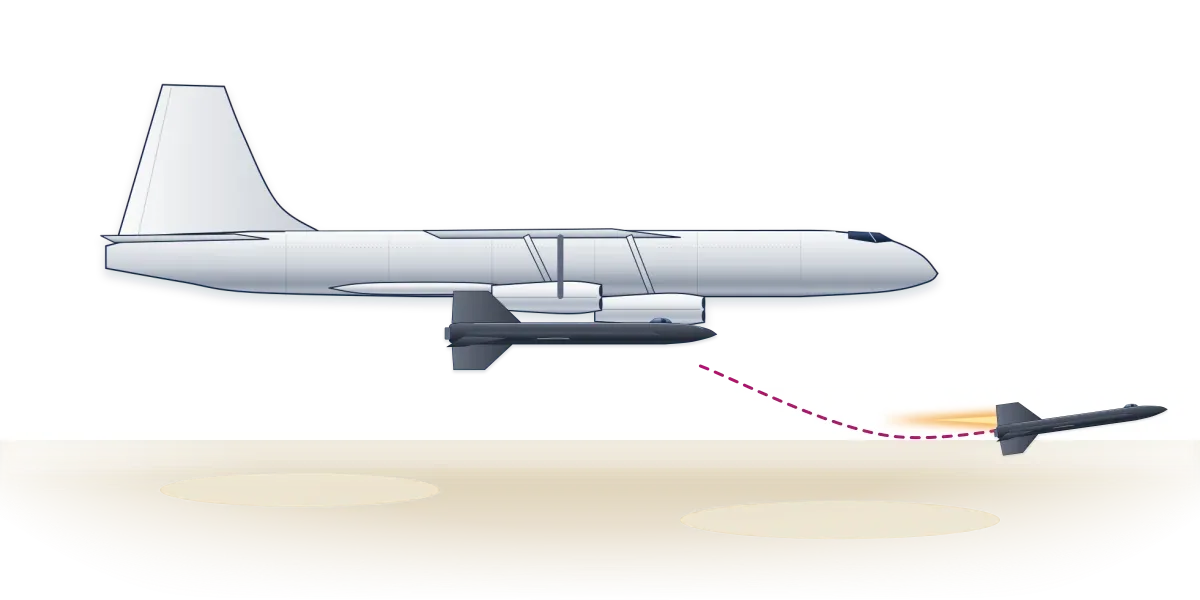
The X-15 was not an airplane in the everyday sense. It had no runway takeoff: a B-52 bomber carried it to about 45,000 feet and let it go, then its XLR-99 rocket engine lit, producing up to 57,000 pounds of thrust. Its skin was a nickel-chrome alloy called Inconel X, chosen to survive the heat of hypersonic flight. Twelve pilots flew it between 1959 and 1968.
Speed was only half of it. On August 22, 1963, Joe Walker took an X-15 to 354,200 feet, more than 67 miles up. Eight X-15 pilots flew above 50 miles, the altitude the US Air Force counts as space, and were later recognized as astronauts.
Here is how the main record holders compare. Every figure comes from the maker, NASA or the Smithsonian, and the sources are listed at the end of this page.
| Aircraft | Speed | When | Category |
|---|---|---|---|
| NASA X-43A | Mach 9.6, about 7,000 mph | November 16, 2004 | Fastest air-breathing aircraft (uncrewed) |
| North American X-15 | Mach 6.7, 4,520 mph | October 3, 1967 | Fastest piloted airplane (rocket) |
| Lockheed SR-71 Blackbird | 2,193 mph, about Mach 3.3 | 1976 | Fastest crewed jet (absolute speed record) |
| Boeing F-15EX | Mach 2.5 maximum | In service | Fastest published figure for a current fighter |
| Concorde | Mach 2 cruise, 1,350 mph top speed | 1976 to 2003 | Fastest airliner ever in service |
| Lockheed Martin F-35 | Up to Mach 1.6, about 1,200 mph | In service | Fifth-generation fighter |
| Lockheed Martin F-22 | Above Mach 1.5 without afterburner | In service | Supercruise |
| Bell X-1 | Mach 1.06, about 700 mph | October 14, 1947 | First faster than sound |
Is the X-15 the fastest plane ever?
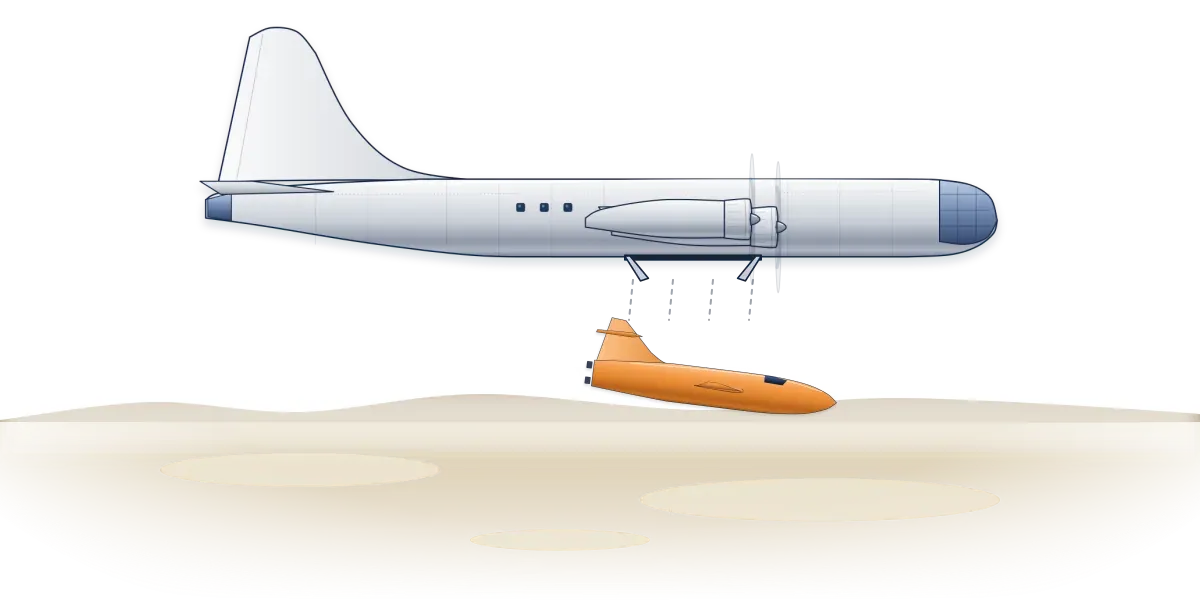
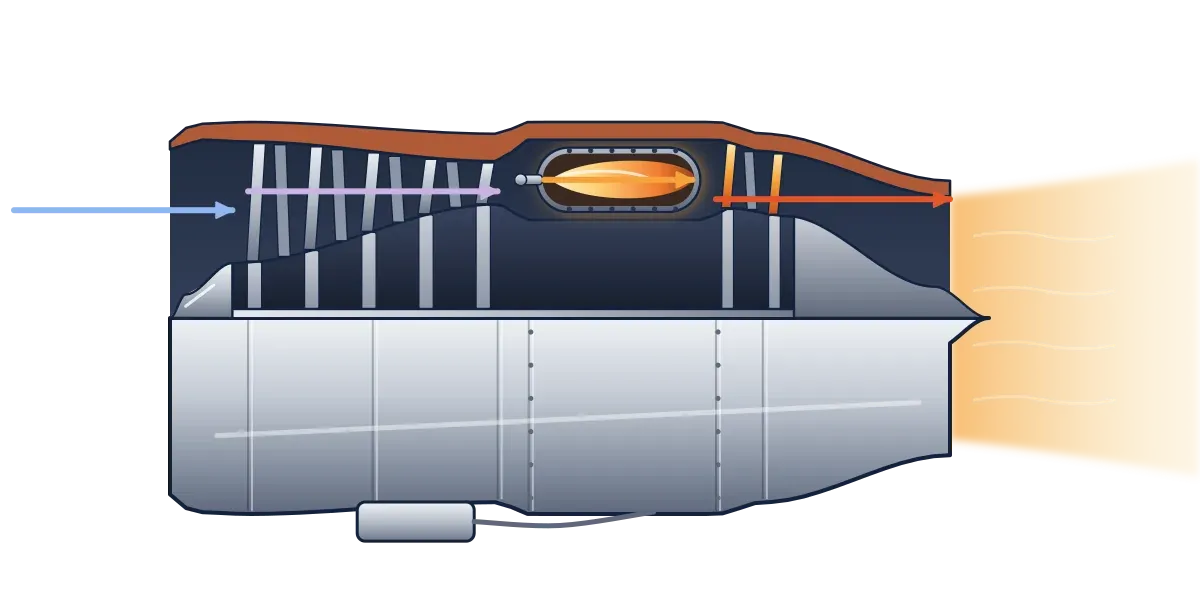
It depends on whether a pilot has to be aboard. NASA’s X-43A, a 12-foot-long uncrewed research vehicle, reached Mach 9.6, roughly 7,000 mph, on November 16, 2004, at about 110,000 feet over the Pacific. NASA calls it the current world speed record for an air-breathing vehicle. It used a scramjet, an engine with no moving parts that burns fuel in air rushing through it at supersonic speed, and it ran for only about ten seconds.
Like the X-15, it needed help to get going. A B-52B carried the X-43A and its booster rocket to 40,000 feet, the rocket pushed it to speed, and the scramjet took over from there. Spacecraft come home faster still, but they are falling from orbit, not flying under their own power, which is why nobody lists them as the fastest planes.
How fast is the SR-71 Blackbird in Mach?
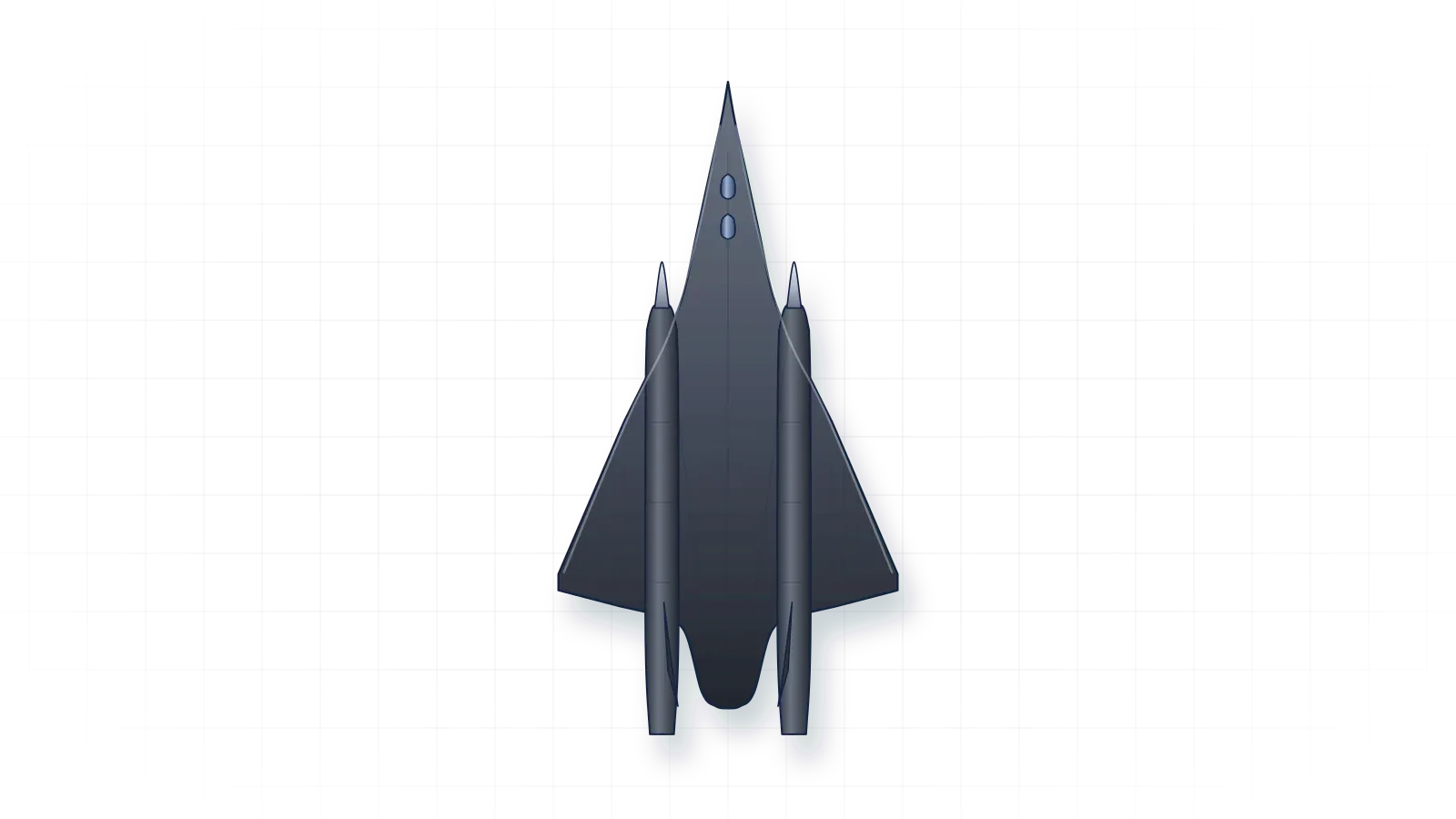
The Lockheed SR-71 Blackbird cruised above Mach 3 at up to about 85,000 feet, with a top operating speed of Mach 3.3. In 1976, one Blackbird set the absolute speed record for a jet aircraft at 2,193.2 mph, about Mach 3.3, and another set a sustained-altitude record of 85,069 feet on the same day. Those figures, from the Smithsonian, are the ones to quote when someone asks how fast the SR-71 really went.
The airframe was built largely of titanium, because friction heated its skin to about 600°F at speed. The metal expanded so much in flight that when the airplane slowed and descended to refuel, the panels over its tanks cooled, shrank and let fuel leak out. Its two engines ran in afterburner for the climb and the entire cruise, yet the airplane got its best fuel economy above Mach 3.
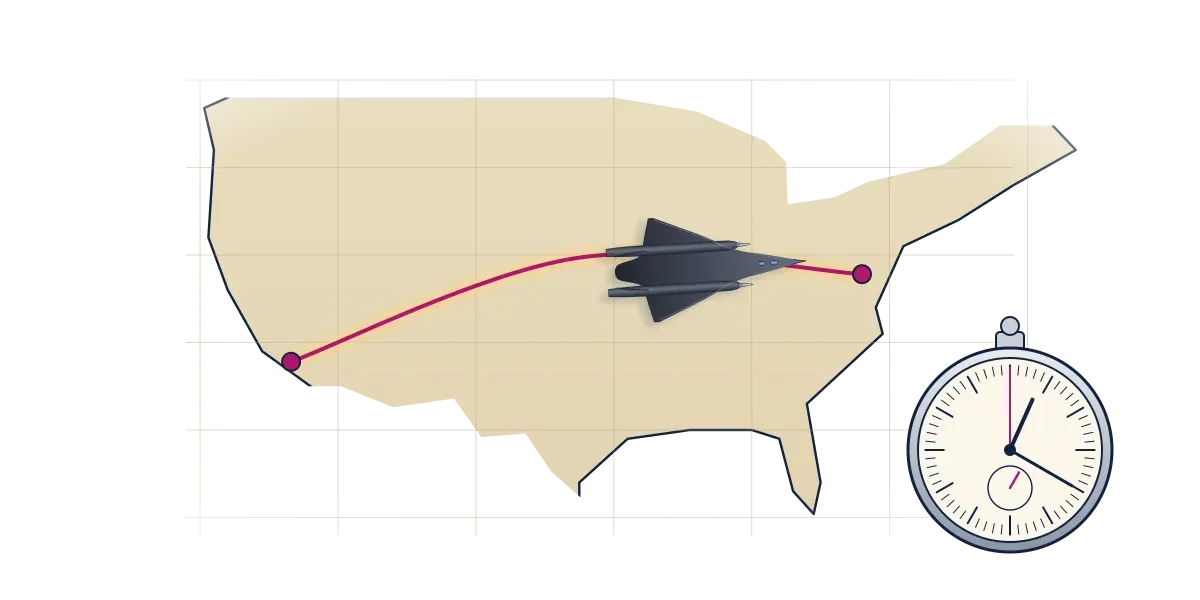
Its farewell flight is the record most people remember. On March 6, 1990, an SR-71 flew from Los Angeles to Washington, DC, in 1 hour, 4 minutes and 20 seconds, averaging 2,124 mph, and then rolled straight into the Smithsonian’s collection. The reconnaissance fleet was being retired, and the airplane went from service to museum in a single morning.
What is the fastest fighter jet in the world?
This is the hardest question on the page to answer honestly. Top speeds are rarely used in service, because they empty the tanks in minutes, and many air forces never publish them. Among figures the makers do publish, Boeing’s F-15EX has the highest: a maximum of Mach 2.5 and a ceiling of 50,000 feet. Other countries have flown very fast interceptors too, but their makers give no figures that we can cite.
The newest fighters are not built to chase that number. The Lockheed Martin F-22 Raptor can supercruise, flying faster than Mach 1.5 without using its afterburners. That matters more than a brief dash speed, because afterburners spray fuel into the hot exhaust for a surge of thrust at an enormous cost in fuel. The F-35 Lightning II tops out at about Mach 1.6, roughly 1,200 mph, and spends its design effort on stealth and sensors instead.
The Mach 2 fighter is actually an old idea. The F-4 Phantom II, first flown in 1958, became the US Navy’s first carrier-based jet able to reach Mach 2, and the Lockheed F-104 Starfighter was the first US interceptor able to hold speeds above Mach 2. How fighters are sorted into generations, and why stealth replaced speed as the goal, is covered in how stealth works.
What is the fastest passenger plane in the world?
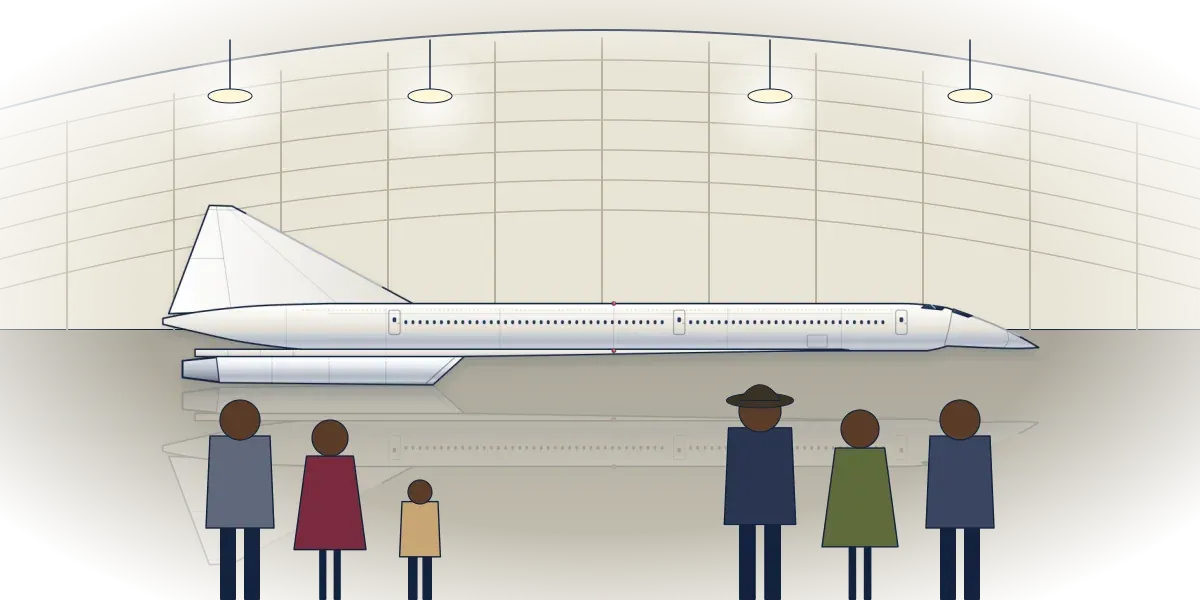
For most people the answer is Concorde, the only supersonic airliner that flew passengers for decades. It cruised at twice the speed of sound between 55,000 and 60,000 feet, with a top speed the Smithsonian lists as 1,350 mph, and it carried up to 100 passengers across the Atlantic in under four hours. It flew in airline service from January 1976 until 2003, and no airliner has carried passengers faster than sound since. Why it was retired, and what is being built to replace it, is the subject of why was Concorde retired?
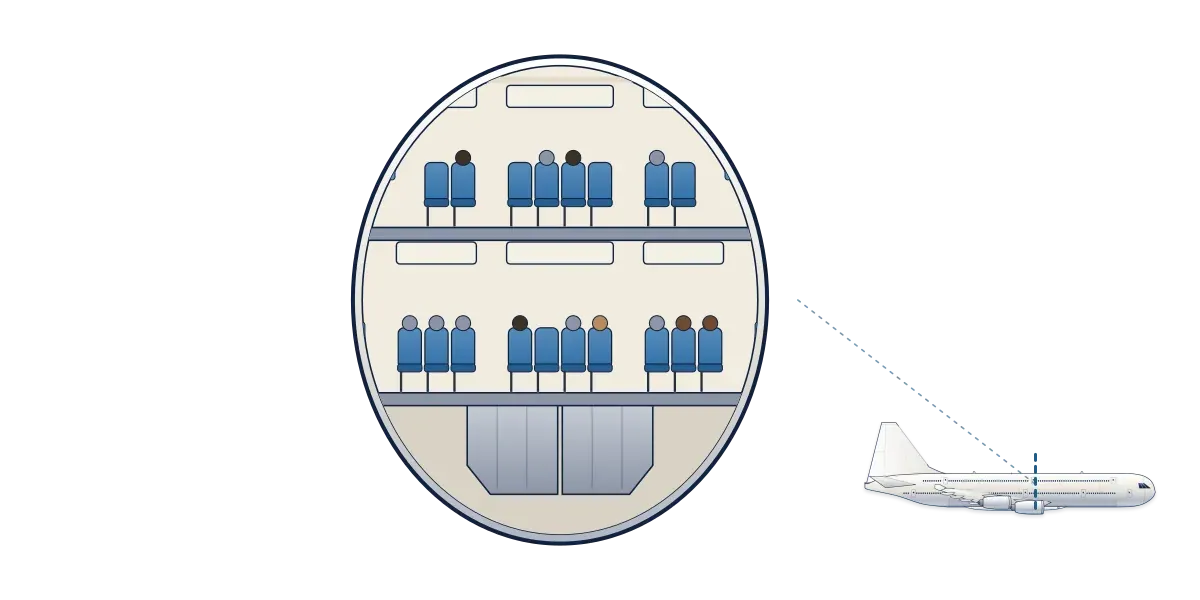
Every airliner flying today is subsonic. The fastest business jets cruise just below the line: Gulfstream’s G650, for example, can fly at up to Mach 0.925, and one flew westbound around the world in 41 hours and 7 minutes, a record for large-cabin jets that are not supersonic. The next contender is Boom Supersonic’s planned Overture, designed for Mach 1.7 with 60 to 80 passengers, though as of October 2026 Boom gives no date for its first flight. Boom’s small XB-1 demonstrator reached Mach 1.122 in January 2025, the first supersonic flight by an independently developed jet, according to the company.
Why can’t planes fly faster?
Four walls stand in the way, and the record holders show where each one is.
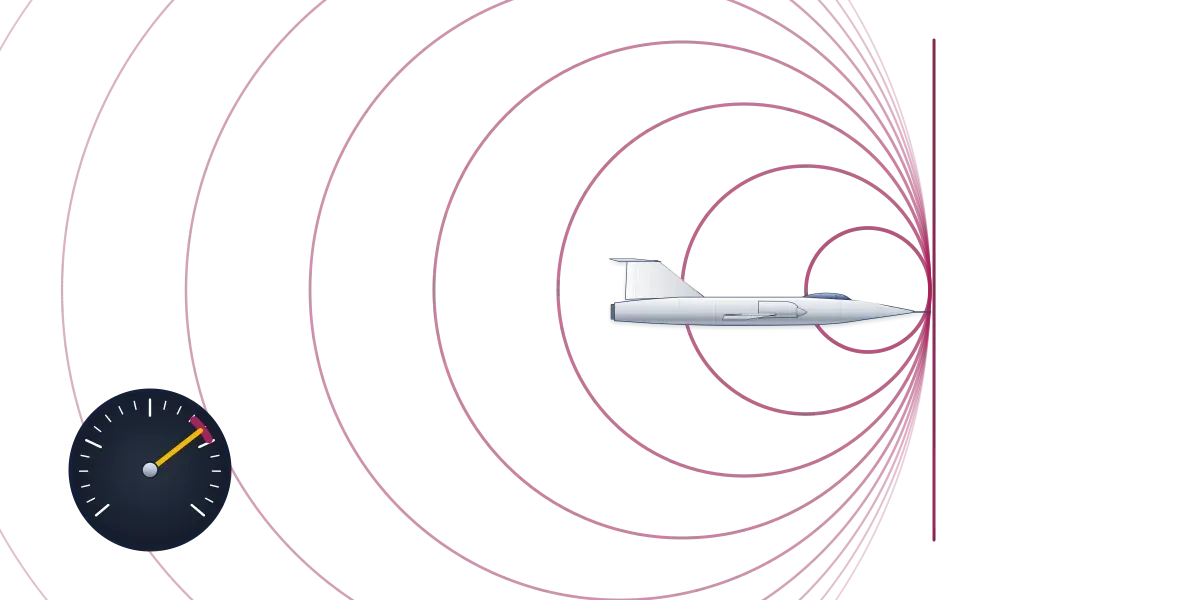
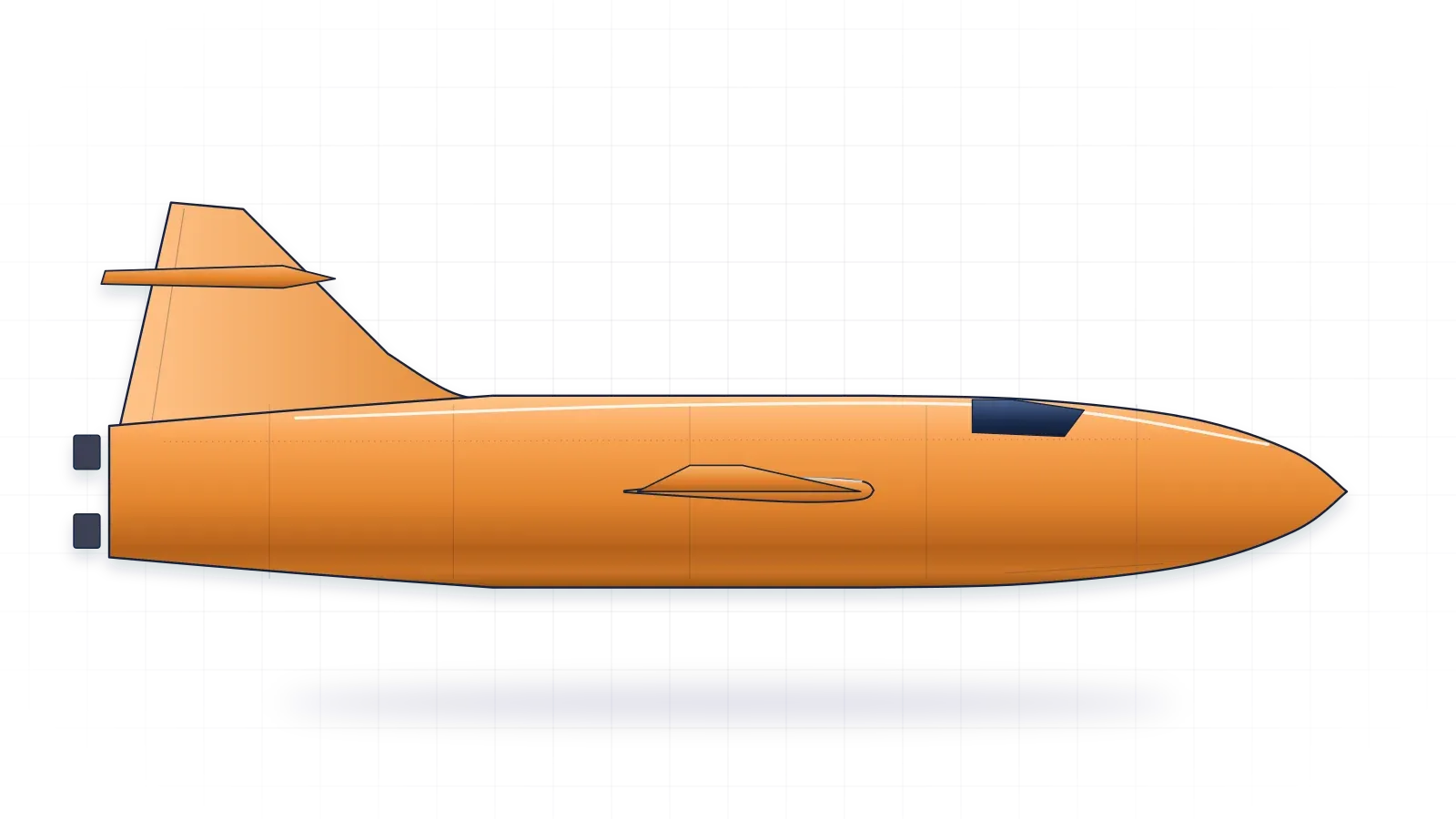
The first is drag. Near Mach 1, shock waves form and drag rises sharply, which is what early pilots mistook for a solid sound barrier. On October 14, 1947, Chuck Yeager showed there was no wall when the rocket-powered Bell X-1 reached Mach 1.06, about 700 mph. But pushing through that drag rise takes enormous thrust, which is why the fastest airplanes are rockets or use afterburners.
The second is heat. Concorde’s skin reached more than 120°C at Mach 2, the SR-71’s about 600°F at Mach 3, and the X-15 needed an exotic alloy at Mach 6. Aluminum, the ordinary airliner’s metal, softens long before that. The third is fuel: the SR-71 cruised in afterburner, and Concorde burned about a ton of fuel per seat on every crossing.
The fourth is noise. A supersonic airplane trails a sonic boom along its whole path, in a carpet about a mile wide for every 1,000 feet of altitude, and the United States has banned civil flight above Mach 1 over land since 1973. The speed of sound itself, and why it changes with altitude, is explained in what is Mach 1?
What to watch for on your next flight
Open the moving map on the seatback screen and find your ground speed. A typical cruise reads somewhere in the hundreds of miles per hour, and every aircraft in the table above would cover the same distance several times over in the same hour. Then look out at the wing: the gentle sweep of an airliner’s wing is tuned for speeds just below the drag rise, which is why no airliner since Concorde has tried to cross it.
Speed has its champions; so does size. The giants of the sky, from the six-engined An-225 to the double-deck A380, are measured up in the biggest planes in the world.
Quiz
Check yourself
-
Question 1 of 3
What speed did Pete Knight reach in the X-15 in 1967?
- Mach 6.7
- Mach 3.3
- Mach 25
- Mach 2.0
Show the answer
Answer: A. Knight reached 4,520 mph, Mach 6.7, still the world speed record for a winged, powered aircraft.
-
Question 2 of 3
How long did the SR-71's 1990 flight from Los Angeles to Washington take?
- About 64 minutes
- About 20 minutes
- About 5 hours
- About 3 hours
Show the answer
Answer: A. On March 6, 1990, the crew covered the distance in 1 hour, 4 minutes and 20 seconds, averaging 2,124 mph.
-
Question 3 of 3
Near sea level, about how fast does sound travel?
- About 186,000 mph
- About 761 mph
- About 7,600 mph
- About 76 mph
Show the answer
Answer: B. In standard sea-level conditions, sound travels at about 761 mph, or 1,100 feet per second.
Guides
Keep reading
Aircraft
From the Hangar
Sources
- NASA, X-15 Hypersonic Research Program
- Smithsonian National Air and Space Museum, The X-15 Still Holds The World Speed Record 50+ Years Later
- NASA, X-15 Space Pioneers Now Honored as Astronauts
- NASA, X-43A Hyper-X
- Smithsonian National Air and Space Museum, Lockheed SR-71 Blackbird
- Smithsonian National Air and Space Museum, Setting Records with the SR-71 Blackbird
- Smithsonian National Air and Space Museum, Bell X-1 Glamorous Glennis
- NASA Glenn Research Center, Speed of Sound
- Smithsonian National Air and Space Museum, Concorde, Fox Alpha, Air France
- Boeing, F-15EX
- Lockheed Martin, F-22 Raptor History
- Lockheed Martin, F-35: 5th Gen Capabilities
- Smithsonian National Air and Space Museum, McDonnell F-4S Phantom II
- Boom Supersonic, Overture
- General Dynamics, Gulfstream delivers 300th G650