LEG 06 · Navigation & Weather
Why Do Planes Fly at 35,000 Feet? Thin Air, Smooth Rides and Saved Fuel
Thin air is cheap air to fly through. Climb high enough and most of the weather, and most of the atmosphere, is beneath you.
Updated · 8 min read
The short answer
Airliners cruise around 35,000 feet because the air there is thin. Thin air means less drag, so a jet covers more ground on the same fuel. That height also puts most clouds and storms beneath the airplane, for a smoother ride. Jets stop there because thinner air cuts lift and engine power, so every airplane has a ceiling.
Glance at the moving map on a long flight and the altitude usually settles somewhere between 32,000 and 39,000 feet, then stays there for hours. That is no accident of habit. This band of sky is where a jet airliner is cheapest to run, smoothest to ride in and clear of most of the weather. Here is why airliners climb that high, and why they stop there.
How high do planes fly?
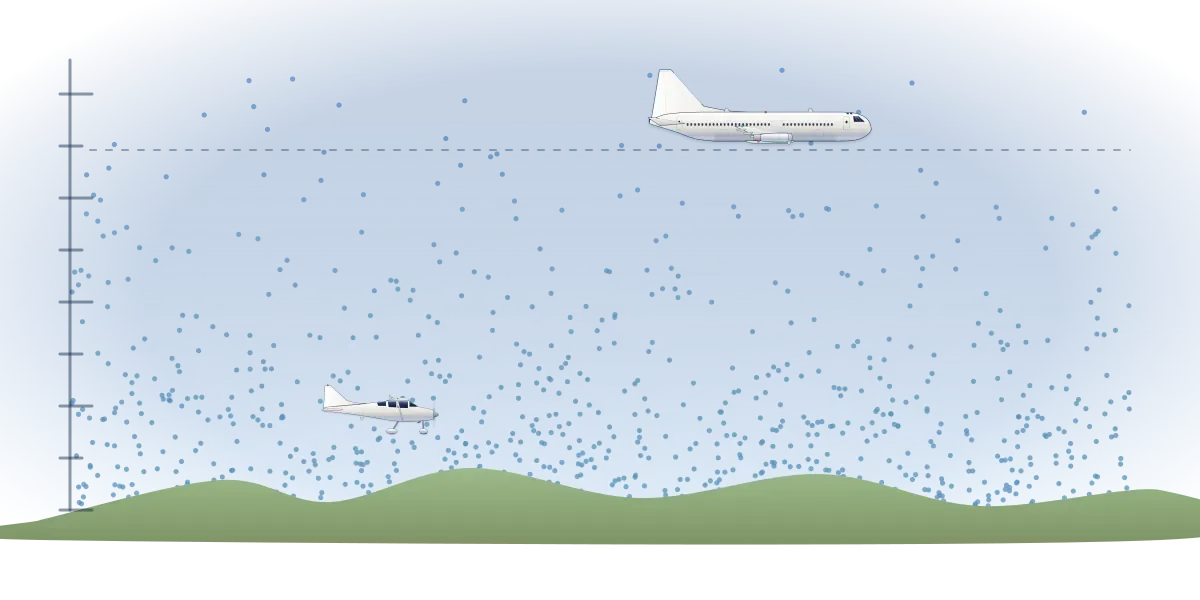
NASA’s Earthdata writers note that most commercial jets cruise at 26,000 feet or higher, and a NASA classroom guide places commercial jetliners between 32,000 and 39,000 feet (9.8 to 11.4 km). For comparison, the same guide puts small piston airplanes at roughly 2,500 to 9,500 feet and helicopters below 25,000 feet. An airliner’s cruise is a different world: more than six miles up, above most of the air on Earth.
Above 18,000 feet, the United States stops describing altitude in feet and switches to flight levels. FL350 is 35,000 feet with the last two zeros dropped. Every airplane up there sets its altimeter to the same standard pressure, 29.92 inches of mercury, so FL350 means the same height to everyone, whatever the local weather is doing below.
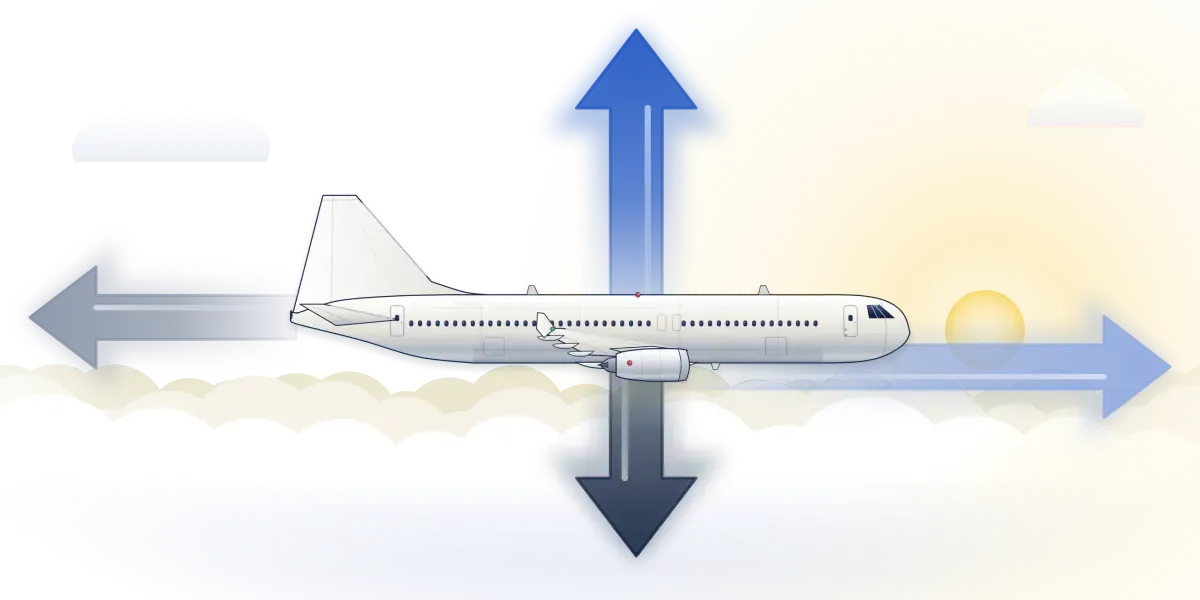
The levels are stacked 1,000 feet apart, and which rung an airplane gets depends on its direction. In US airspace, a flight on a magnetic course between 0 and 179 degrees, broadly eastbound, cruises at an odd level such as FL330, FL350 or FL370. A flight heading between 180 and 359 degrees, broadly westbound, takes an even one: FL340, FL360 or FL380. The scheme runs all the way up to FL410, so part of the answer to “why 35,000 feet” is simply that it is an odd rung on the ladder.
Why do planes fly so high?
Start with the air itself. It thins with every foot of climb, and by 35,000 feet the pressure is down to roughly a quarter of what it is at sea level. Thin air matters because drag, the resistance of air to anything moving through it, depends on how much air there is. Thin the air and an airplane can move faster through it for the same drag.
That is the heart of the matter. A jet at altitude holds a higher true airspeed for the same drag, which is why the FAA’s handbook lists better fuel economy among the rewards of climbing high. Lower down, the same speed would mean fighting far more drag, and burning far more fuel, for every mile.
The wing still needs enough air to make lift, which is the story told in How do planes fly? At cruise, a jet is moving fast enough that the thin air is no problem for the wing. The trade-off only bites when the airplane tries to go higher still, as we will see.
Why do planes fly above the clouds?
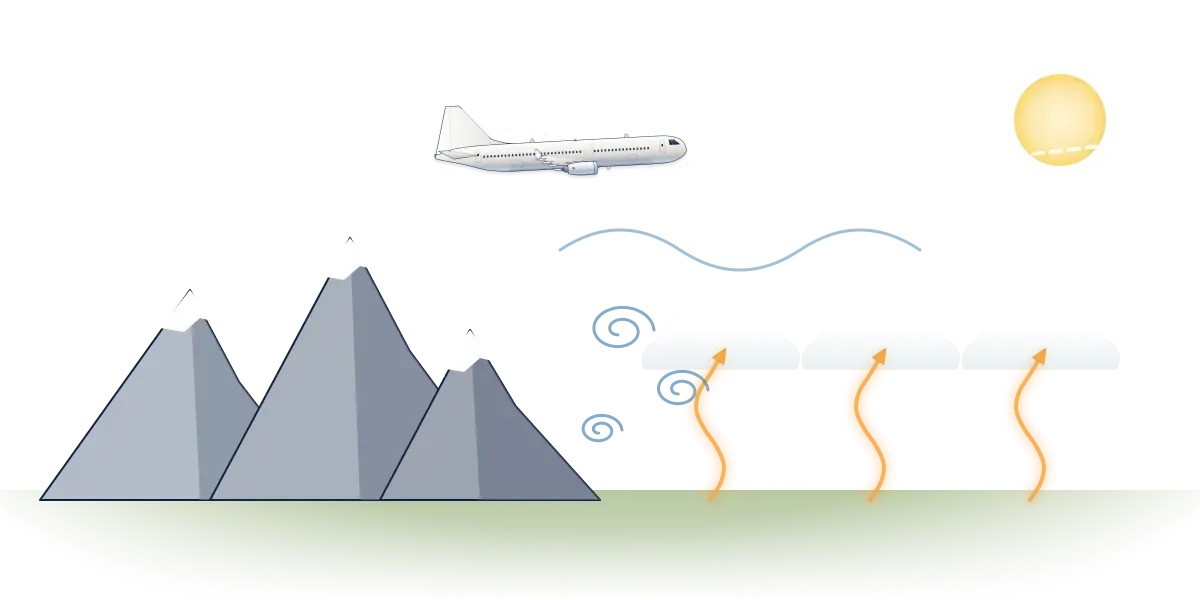
Nearly all clouds and storms live in the lowest layer of the atmosphere, the troposphere. Its upper boundary, the tropopause, acts like a lid that traps moisture beneath it. Above the lid, the stratosphere has little weather and steadier air. Cruise above it and the view from the window becomes a white floor of cloud under a deep blue sky.
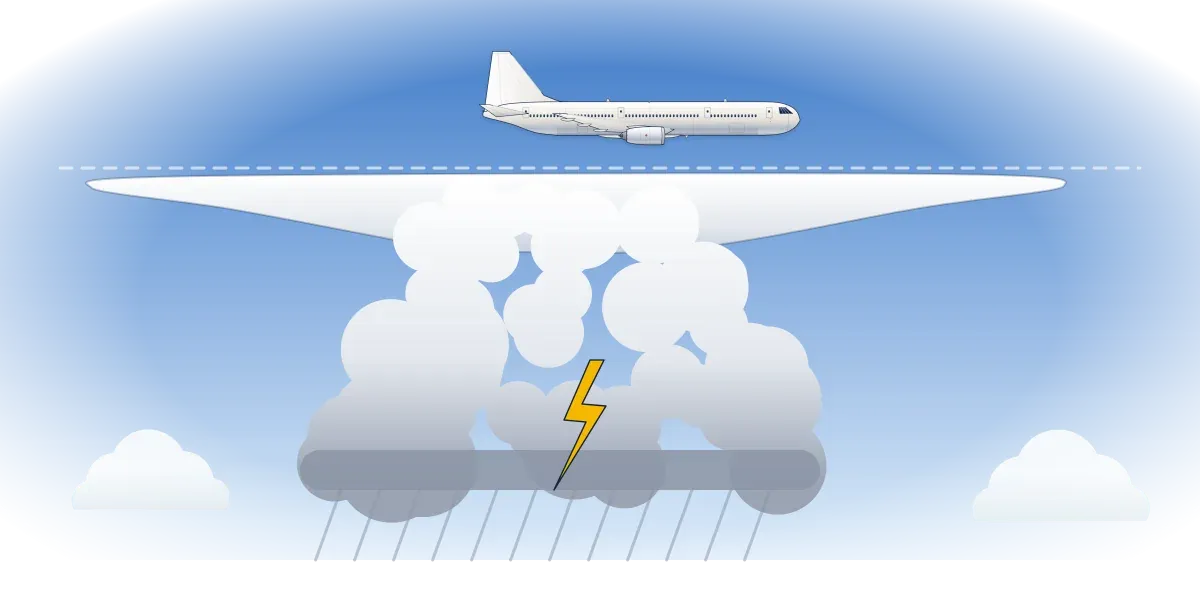
The lid is not perfect. The FAA handbook notes that severe thunderstorms can punch through the tropopause and reach 50,000 to 60,000 feet, depending on latitude, which is far above any airliner. Those towering tops are why crews steer around big storms rather than over them, and why a long detour sometimes appears on the moving map.
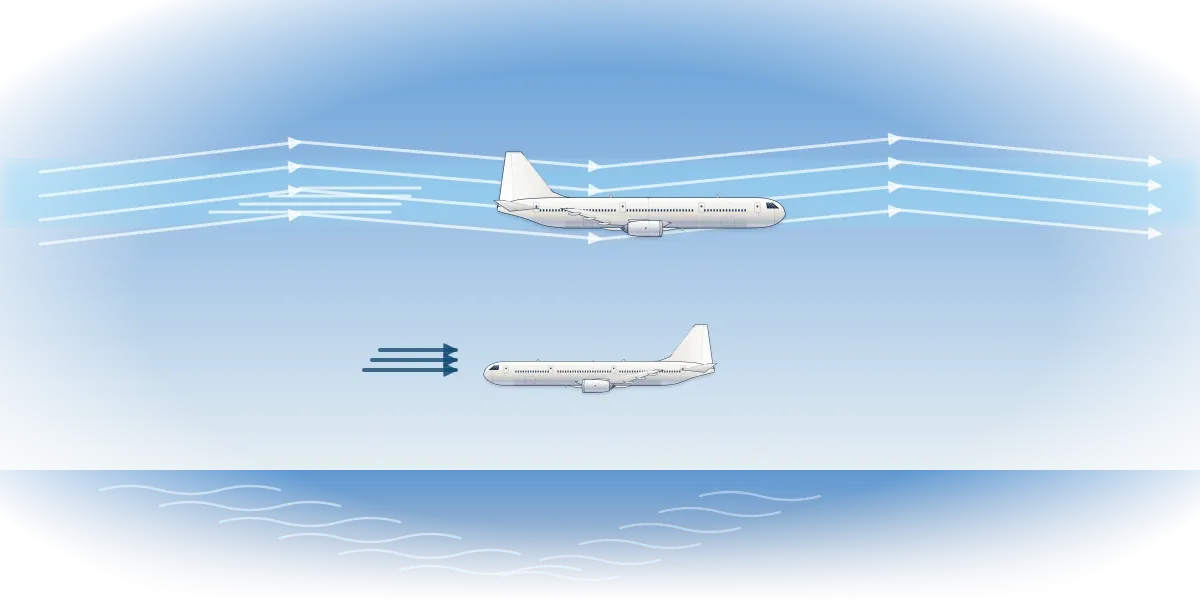
Even clear sky can be bumpy, because jet streams, narrow bands of fast wind about 5 to 9 miles up, run right through cruising height. They blow from west to east at around 110 mph on average, and sometimes at 250 mph or more. Near a jet stream and the tropopause, airplanes can meet clear air turbulence: bumps with no cloud to warn of them. Is turbulence dangerous? covers what those bumps are doing to the airplane, which is less than it feels like.
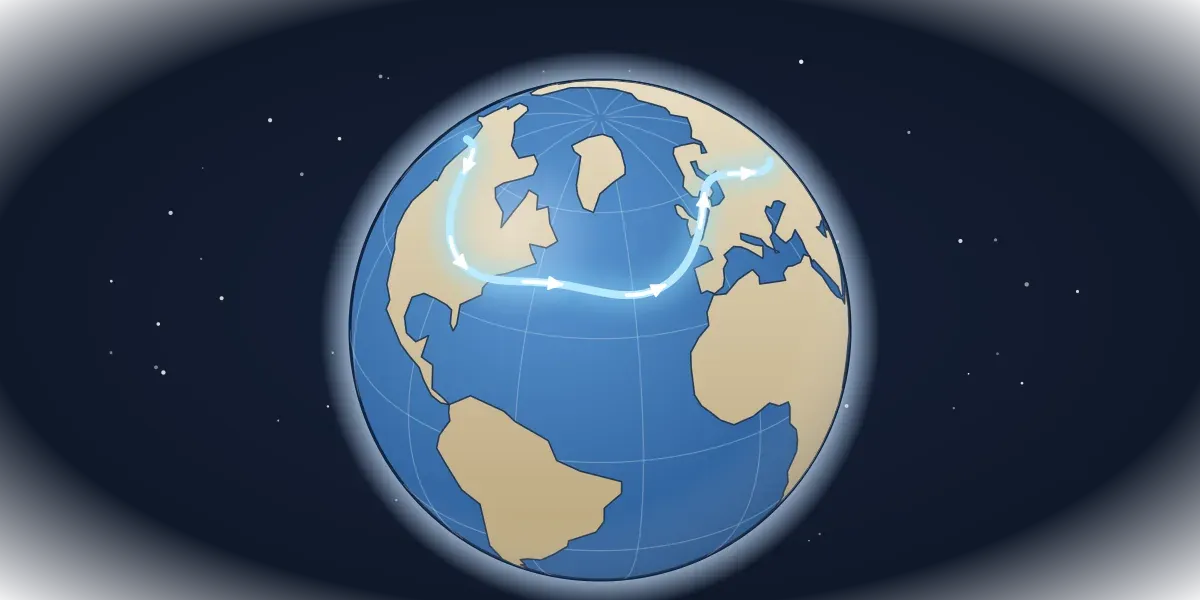
Jet streams are also why cruise altitude gets planned around the wind. Riding one eastbound shortens the trip, and the same trip westward often takes longer, as explained in Why is flying east faster?
Do planes fly in the stratosphere?
Sometimes, and it depends on where you are. The tropopause is not at one fixed height. The FAA handbook says it varies with latitude and season.
NOAA puts the top of the troposphere at 11 to 12 miles (18 to 20 km) over the equator and about 5.5 miles (9 km) at 50 degrees north or south. At the poles it is just under 4 miles (6 km). The standard atmosphere that engineers use, as NASA Glenn’s model describes it, puts the boundary at 11,000 meters, about 36,000 feet.
So an airliner at 37,000 feet over the North Atlantic in winter can be in the lowest stratosphere, while one at the same height over the tropics is still deep in the troposphere. NASA’s own pages reflect this. Its classroom guide lists jetliners in the troposphere, while its atmosphere page says commercial passenger aircraft fly in the lower stratosphere, where less convection means less turbulence. Both are right; it depends on the day and the latitude.
Why is it so cold at high altitude?
Because the atmosphere is heated mostly from below. Sunlight warms the ground and the sea, they warm the air touching them, and air cools as it rises and expands into lower pressure. In the troposphere, the temperature falls about 2 degrees Celsius for every 1,000 feet of climb. Start from the standard 15 °C at sea level and the air at 35,000 feet comes out near minus 55 °C.
In the standard atmosphere that cooling stops at about 36,000 feet. From there up to 80,000 feet the temperature is treated as constant, about minus 56 °C in NASA Glenn’s model. Higher still, the stratosphere actually warms with height, because its ozone absorbs ultraviolet light from the sun.
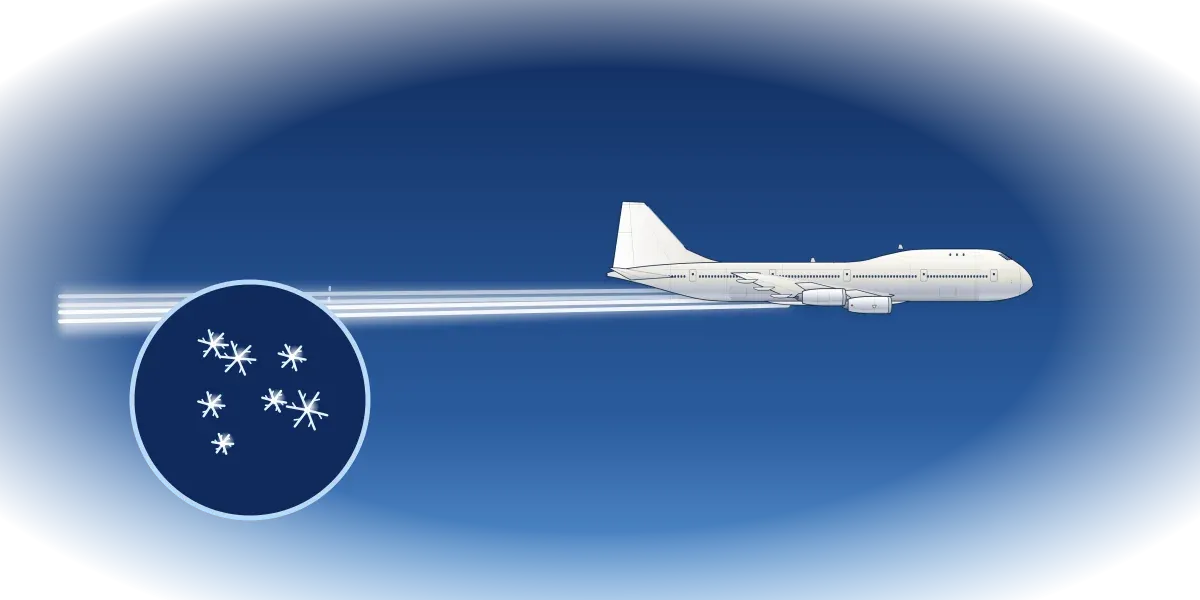
That cold explains two things you can see from a window seat. Feathers of frost sometimes grow on the inner pane, even though it sits on the warm side of the glass. And the white lines other jets leave behind, contrails, are ice crystals that form only up here, because lower down the air is not cold enough. What are contrails? has the full story.
Why are plane cabins pressurized?
At 35,000 feet the air is far too thin and cold to live in, so the airplane carries its own. The fuselage is sealed, and air drawn from the engines is pumped in to hold the pressure up. The FAA handbook calls the result cabin altitude: the pressure inside, expressed as the altitude where you would find that pressure outdoors.
Airliners typically hold a cabin altitude of about 8,000 feet, the pressure of a mountain town, while cruising five miles higher. Newer airframes do better. The Boeing 787 Dreamliner, built with carbon-fiber composites in up to half of its main structure, keeps its cabin at 6,000 feet, which Boeing says is 2,000 feet lower than conventional jets.
Holding that pressure difference flight after flight is a structural job, and it shaped something you look through every time you fly. The reason is told in Why are airplane windows round?
Why don’t planes fly higher?
Higher is not always better. As the air thins further, wings need more speed to make the same lift, and engines produce less power. Push upward and the two squeeze together until the airplane can climb no more. Every airliner therefore has a ceiling: Boeing lists 37,900 feet for the original 777-200.
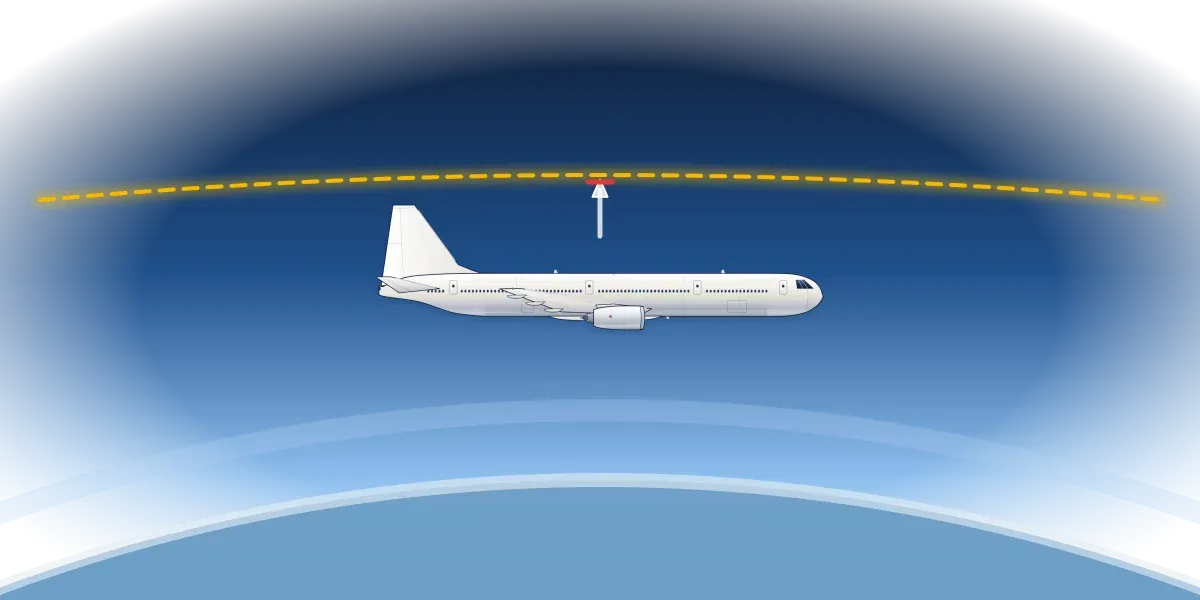
The FAA handbook defines two ceilings. The absolute ceiling is the altitude where there is no excess thrust left at all, so the rate of climb is zero. The service ceiling, the one quoted in brochures, is where the airplane can no longer climb faster than 100 feet per minute.
Weight moves the ceiling, too. A jet that is heavy with fuel at the start of a long flight cannot reach the height it will manage later. The handbook notes that as fuel burns off and weight falls, the best altitude may rise, so a crew may climb in steps during a long cruise, from 35,000 feet to 37,000 and later 39,000. Watch the map on an ocean crossing and you can see it happen.
How high can a plane fly?
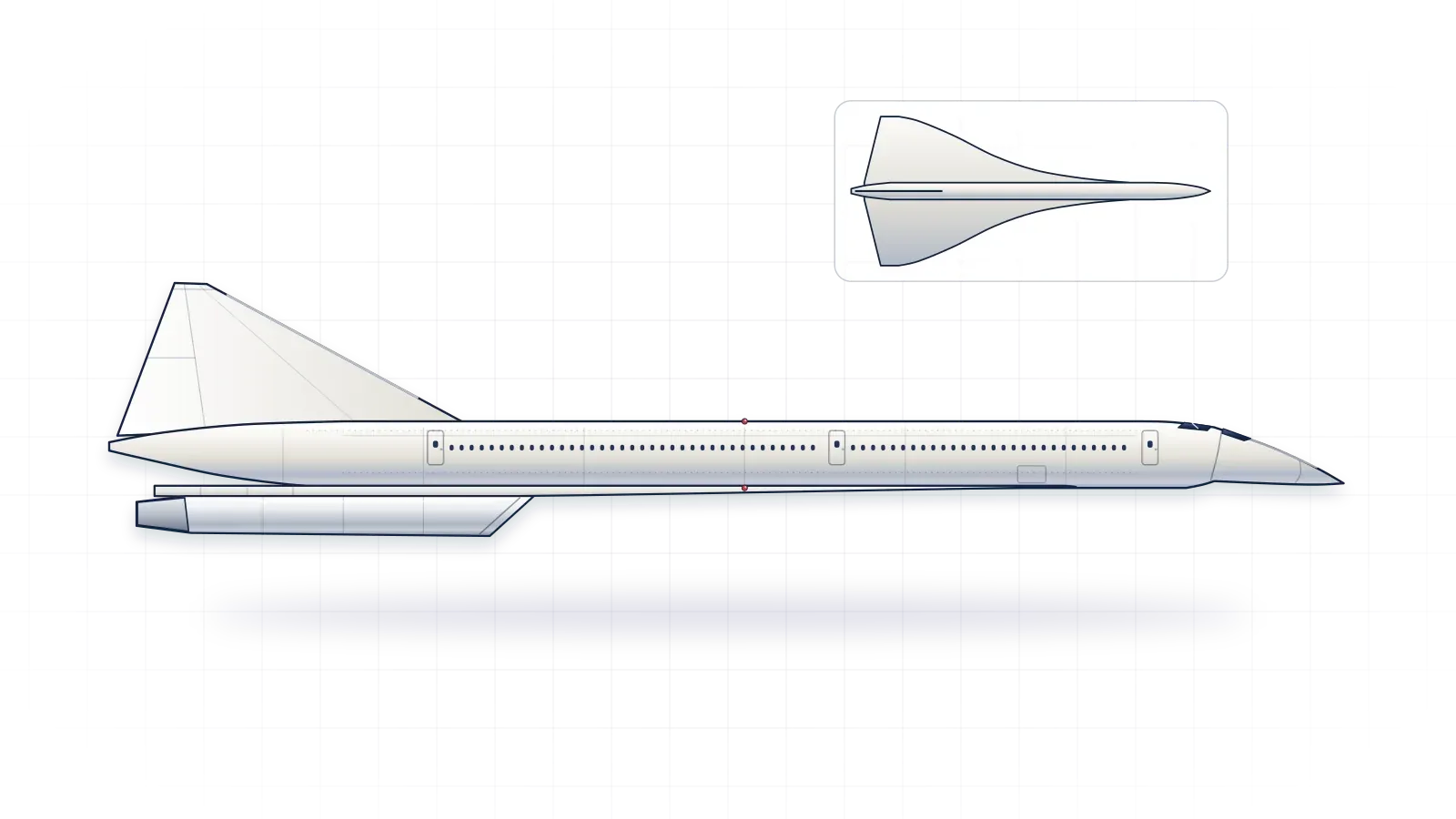
Far higher than an airliner, if the airplane is built for it. NASA’s classroom guide puts a fighter such as the F-35 at about 60,000 feet. Concorde cruised between 55,000 and 60,000 feet at twice the speed of sound, high enough that the outside air was colder than minus 56 °C even as its skin heated to more than 120 °C. Lockheed’s U-2 spy plane was designed in the 1950s to cruise at 70,000 feet, and NASA still flies its ER-2 cousin at 65,000 to 70,000 feet for science.
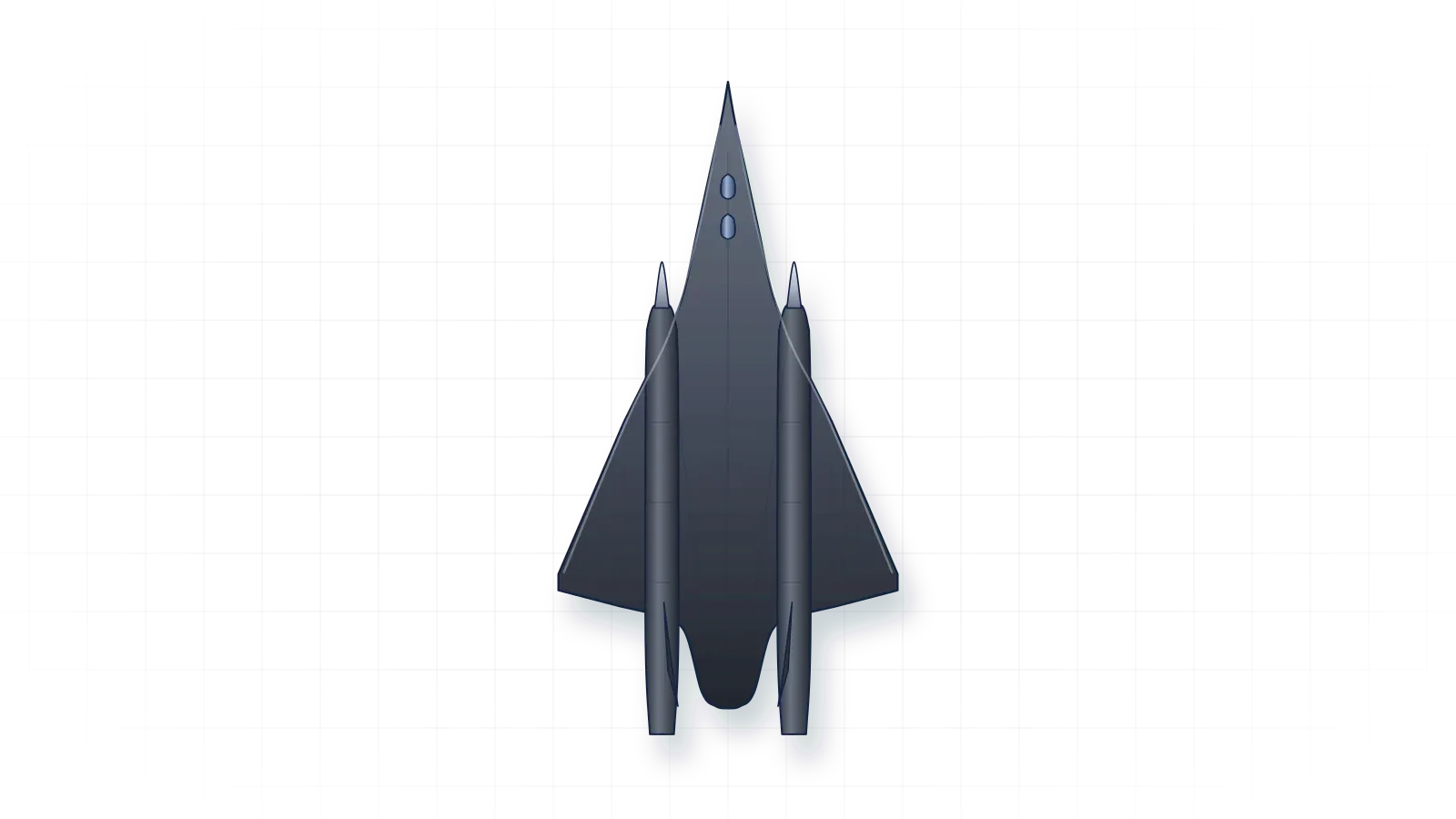
The SR-71 Blackbird went higher still, cruising above Mach 3 at about 85,000 feet, more than 16 miles up. Above that, wings run out of air. The rocket-powered X-15 reached 354,200 feet in 1963, more than 67 miles, but it was dropped from under a B-52’s wing at about 45,000 feet and coasted through the top of its arc like a spacecraft. The fastest of these machines are compared in The fastest planes ever flown
What to watch for on your next flight
- The altitude on the moving map. A number in the thirties, usually odd thousands heading east and even thousands heading west over the United States.
- A step up mid-flight. On a long leg, a climb from 35,000 to 37,000 feet an hour or two in means fuel has burned off and the ceiling has moved up.
- The cloud floor. Flat white below, and once in a while a thunderstorm top rising past the window like a mountain, with the airplane swinging wide around it.
- Frost on the window. The air outside is around minus 55 °C, and the inner pane sometimes shows it.
- Contrails. Another jet’s white line above or below you is ice, and it only forms this high.
Thin air, a lid on the weather and a ceiling that moves with weight: that is the whole case for 35,000 feet. The next question most people ask is what happens when that high, smooth air turns rough, and Is turbulence dangerous? has the answer.
Quiz
Check yourself
-
Question 1 of 3
In which layer of the atmosphere does nearly all weather happen?
- The thermosphere
- The troposphere
- The stratosphere
- The mesosphere
Show the answer
Answer: B. The troposphere, the lowest layer, holds the vast majority of clouds and storms, and the tropopause caps it like a lid.
-
Question 2 of 3
Why can't a jet simply keep climbing higher and higher?
- Satellites block the higher altitudes
- Radios don't work above the clouds
- The sky gets too bright to see
- Thin air cuts lift and engine power
Show the answer
Answer: D. As air thins, wings need more speed for the same lift and engines make less power, so every jet has a ceiling.
-
Question 3 of 3
Why is flying east often quicker than the same trip west?
- Jet stream tailwinds push it along
- Earth's spin carries the plane
- Air is denser over the ocean
- Eastbound jets fly at lower altitudes
Show the answer
Answer: A. Flying with a jet stream gives an eastbound airplane a tailwind boost, shortening the trip compared with flying west.
Guides
Keep reading
Aircraft
From the Hangar
Sources
- Federal Aviation Administration, Pilot's Handbook of Aeronautical Knowledge (FAA-H-8083-25C)
- NASA Earthdata, On the Trail of Contrails
- NASA, Where in the Air Classroom Activity Educator Guide
- Federal Aviation Administration, Aeronautical Information Manual, Chapter 4, Section 6: Reduced Vertical Separation Minimum (RVSM)
- NOAA National Weather Service, JetStream: Layers of the Atmosphere
- NASA Glenn Research Center, Earth Atmosphere Model - Metric Units
- NASA, What Is... Earth's Atmosphere?
- NOAA Satellite and Information Service, What Is the Jet Stream?
- Boeing, Select Products in Boeing History
- Boeing, 787 Dreamliner By Design
- Smithsonian National Air and Space Museum, Concorde, Fox Alpha, Air France
- Lockheed Martin, The U-2 Dragon Lady
- Smithsonian National Air and Space Museum, Lockheed SR-71 Blackbird
- NASA, X-15 Hypersonic Research Program